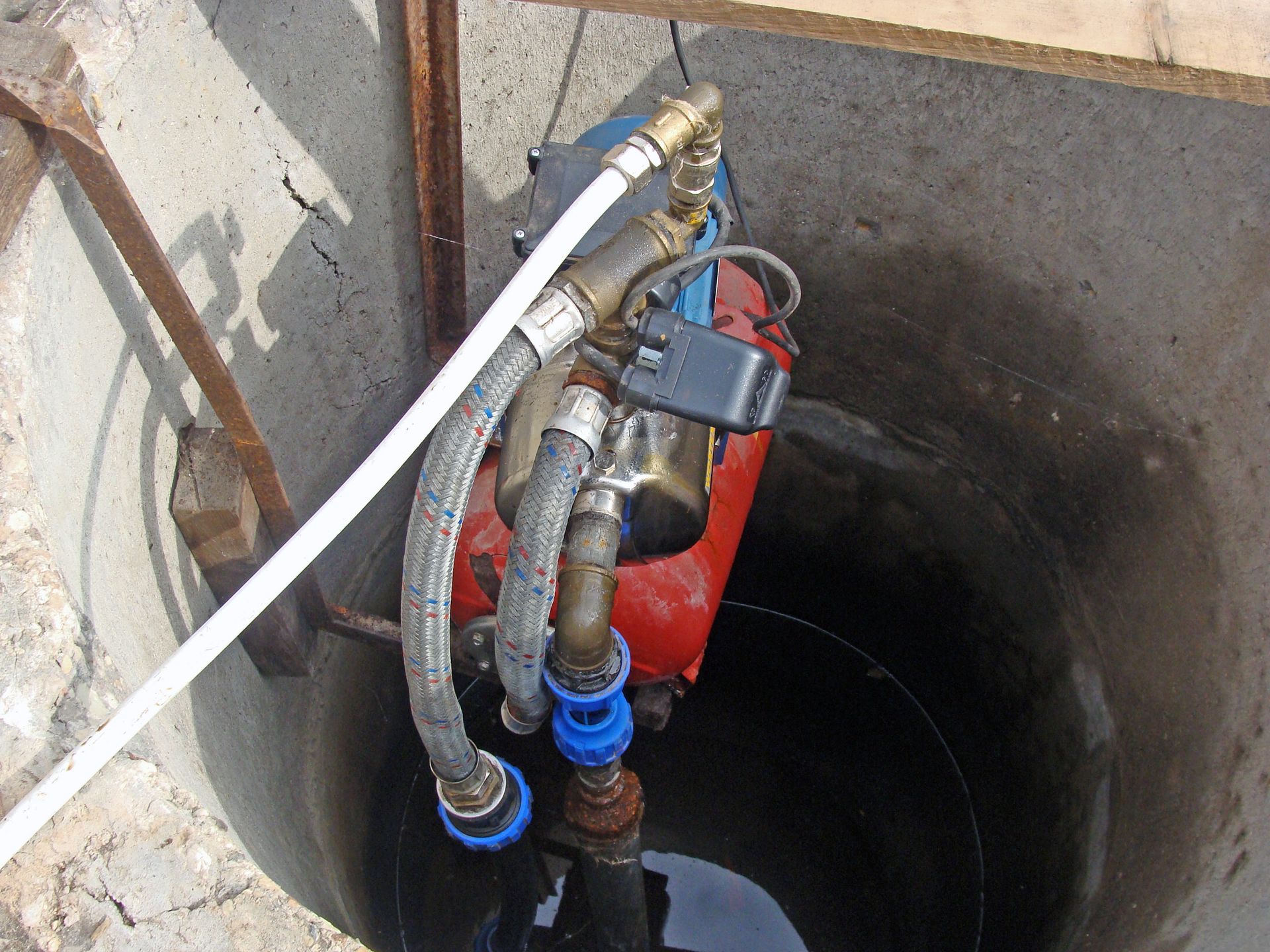
The Lifetime of a Well: What to Expect and How to Make Yours Last 40+ Years
Quick Answer:
A properly constructed and well-maintained residential water well can last 40–50 years or longer, while components like the well pump typically last 8–15 years.
If your home relies on a private well, understanding its lifespan is critical for protecting your water supply and avoiding unexpected failures. Homeowners in [City, State] often ask how long a well lasts, what parts fail first, and how to extend the life of their system.
This guide explains what to expect from your well over time and how to make it last decades longer.
How Long Does a Residential Water Well Last?
Answer:
The average residential water well can last
40 to 50 years, and in some cases even longer, depending on construction quality, geology, water usage, and maintenance.
However, a well is a system made up of multiple components, each with its own lifespan.
Average Lifespan by Component
- Well structure (casing & borehole): 40–50+ years
- Well pump: 8–15 years
- Pressure tank: 10–15 years
- Electrical components & controls: 10–20 years
- Piping: 20–50 years
📍 Many homes in Waterville, MN still rely on wells installed decades ago that remain functional due to proper upkeep.
What Factors Affect the Lifetime of a Well?
1. Quality of Installation
Answer:
A professionally drilled and properly sealed well lasts significantly longer than one installed incorrectly.
Proper depth, casing materials, and sanitary sealing all prevent contamination and structural failure over time.
2. Local Soil and Geological Conditions
Answer:
Rock type, groundwater depth, and sediment levels directly affect longevity.
Areas with heavy sand, silt, or mineral-rich water may experience faster wear on pumps and piping—common in many rural areas around Waterville, MN.
3. Water Usage and Demand
Answer:
High water usage causes more frequent pump cycling, which shortens component lifespan.
Homes with irrigation systems, livestock, or large households place greater demand on well systems.
4. Water Quality
Answer:
Hard water, iron, sand, and sediment accelerate wear on pumps, valves, and pressure tanks.
Routine water testing helps identify problems early and protects your system.
5. Maintenance and Inspections
Answer:
Regular inspections dramatically extend the life of a well system.
Most premature well failures occur due to neglected maintenance, not age alone.
How Can You Make Your Well Last 40+ Years?
1. Schedule Routine Well Inspections
Answer:
A professional well inspection every 1–2 years helps identify minor issues before they cause major damage.
Inspections typically check:
- Pump performance
- Pressure tank function
- Electrical components
- Water quality
📍 Homeowners in Waterville, MN should schedule inspections more often if their well is older than 15 years.
2. Protect Your Wellhead
Answer:
Keeping the wellhead clean and secure prevents contamination and physical damage.
Best practices include:
- Keeping chemicals and fertilizers away
- Ensuring proper drainage around the well
- Keeping the cap sealed and intact
3. Monitor Water Pressure and Pump Cycling
Answer:
Rapid cycling or pressure fluctuations strain the pump and shorten its lifespan.
If you notice:
- Low or inconsistent pressure
- Frequent pump cycling
- Unusual noises
…it’s time to call a well professional.
4. Install Filtration or Sediment Control (If needed)
Answer:
Filtration systems reduce wear caused by sand, iron, and sediment.
This is especially helpful for wells in mineral-heavy regions near Waterville, MN.
5. Replace Components Before They Fail
Answer:
Proactively replacing aging pumps or pressure tanks prevents emergency water loss and collateral damage.
Planned replacement is almost always less expensive than emergency repair.
What Are the Signs Your Well Is Nearing the End of Its Life?
Answer:
Common warning signs include:
- Persistent low water pressure
- Air in faucets
- Rising electric bills
- Dirty or cloudy water
- Frequent pump failures
If your well is over 30 years old and experiencing multiple issues, a professional evaluation is strongly recommended.
When Should a Well Be Replaced?
Answer:
A well should be replaced when structural integrity is compromised, contamination cannot be corrected, or repairs become more costly than replacement.
Many older wells in [City, State] remain usable with component upgrades—but only a licensed professional can determine if replacement is necessary.
FAQ Section (AEO + Schema-Ready)
❓ How long does a well last on average?
Most residential wells last 40–50 years, while internal components require replacement sooner.
❓ Can a well really last 40 years or more?
Yes. With proper installation, water quality management, and regular maintenance, many wells exceed 40 years.
❓ What shortens the life of a well?
Poor installation, heavy sediment, lack of maintenance, excessive pump cycling, and contaminated groundwater.
❓ How often should a well be inspected?
Every 1–2 years, or annually for older wells.
Recent Posts